Australia news live: arrival of H5N1 bird flu a ‘genuine wildlife emergency’, experts say; fuel excise rebate extended for extra month
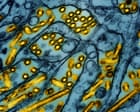
Tram passengers in Melbourne will be able to pay for their trip using a bank card, smartphone or smartwatch from today.The long awaited expansion of tap-and-go payments follows a staged roll out to the city’s train network and main regional routes. Buses are expected to follow.The step follows almost a decade after Sydney introduced tap-and-go payments.Passengers who prefer to use a Myki card can continue to do so.Gabrielle Williams, the Victorian minister for public and active transport, said:double quotation markFrom today, you can step off a train and straight on to a tram using the same phone, watch or bank card.Four in five tap and go trips are already being made with a phone or smartwatch – showing more Victorians are leaving the wallet at home.Kate Millar, chief executive of BirdLife Australia, said the significance for Australian wildlife of the arrival of H5N1 bird flu could not be overstated and it could be “the beginning of a long fight to protect birds and wildlife in Australia”:double quotation markThe potential for this virus to kill wildlife in significant numbers means it could be particularly catastrophic for threatened species.We are talking about possible extinctions, alongside severe impacts to common birds like our beloved pelicans and black swans.Millar said she was concerned “many jurisdictions at the local level simply don’t yet have plans in place to respond to H5 bird flu” and called for a rapid increase in investment in conservation programs to ensure people could respond.The Invasive Species Council (ISC) and the Australian Marine Conservation Society (AMCS) have called for an extra $200m in funding over the next two years.AMCS campaigns director Alexia Wellbelove said H5 bird flu posed a real risk to the future of species such as the Australian sea lion, which was already endangered and existed nowhere else on earth.ISC chief executive Jack Gough said “whether this particular outbreak is contained or not, the threat is no longer theoretical”:double quotation markThis is a genuine wildlife emergency and it must be treated as such with emergency funding to increase efforts to protect wildlife populations.Agriculture minister says investigations under way into mainland spread of H5N1 bird fluThe federal government confirmed on Saturday that mainland Australia had its first case of the deadly H5N1 bird flu strain that has devastated wildlife populations globally.Australia had been the last continent free of the disease. If it becomes established in wild native bird populations it could have catastrophic effects.In case you missed this development, let’s recap the key details:The infected migratory seabird – a brown skua – was found on the coast at Cape Le Grand national park near Esperance in southern Western Australia last Sunday and has since died.Tests by the CSIRO confirmed the bird died of the H5N1 strain. A second migratory bird – a giant petrel – was found unwell in the same area and WA tests have found that bird has H5 bird flu but the CSIRO will need to verify the result.The agriculture minister, Julie Collins, said a nationally coordinated response would first focus on investigating whether the disease has spread to other wildlife in WA.She said there was no evidence so far of mass mortalities or infection of poultry.She said it will probably be known within a few days whether the disease had affected any local wildlife populations.You can read more here:And welcome to another Sunday Guardian live blog.We’ll continue to bring you the latest news and reactions following confirmation of Australia’s first mainland case of deadly H5 bird flu, as well as the government’s extension to fuel excise cuts for a further month. A “swim out” event is planned for Sydney’s Coogee beach marking one week since a woman was bitten, suffering critical injuries.I’m Petra Stock and I’ll be taking the blog through the day.